



The historical evolution of gambling from ancient rituals to modern strategies
The Origins of Gambling: Ancient Rituals and Practices
The roots of gambling can be traced back to ancient civilizations where chance and risk played significant roles in societal rituals. Archaeological evidence suggests that as early as 3000 BC, dice games were prevalent in Mesopotamia, often tied to religious ceremonies and rituals. These games not only served as entertainment but also as a means of divination, where outcomes were interpreted as messages from the gods. This intertwining of gambling and spirituality laid the groundwork for its evolution over the centuries. For those looking to delve deeper, https://woolbetonline.com/ offers a robust resource on contemporary gaming practices.

In ancient China, gambling was similarly intertwined with cultural practices. The Chinese used bamboo sticks for betting games, believed to be a source of fortune and luck. These early forms of gambling often involved betting on outcomes related to agriculture and harvest cycles, reflecting the society’s economic conditions. The use of tiles for gambling during the Han Dynasty further signifies how gambling was woven into the fabric of social and economic life, showcasing its importance beyond mere entertainment.
Ancient Rome also embraced gambling, especially through betting on gladiatorial games and chariot races. The Roman Empire established laws to regulate gambling, acknowledging its popularity and the potential for abuse. This era marked a shift where gambling moved from strictly ritualistic practices to organized forms of entertainment, setting the stage for the development of more structured gambling establishments in the future.
The Middle Ages: Regulation and the Rise of Gaming Houses
During the Middle Ages, gambling faced periods of both repression and acceptance. The Catholic Church condemned gambling as a sin, leading to strict regulations in many European countries. However, despite these prohibitions, gaming houses began to emerge as clandestine establishments where people could engage in betting. These secretive venues became hotspots for the elite, creating a divide between the upper class and lower class in terms of access to gambling.
As the Renaissance unfolded, societal views on gambling began to shift. The establishment of public gaming houses became more accepted, and card games gained popularity across Europe. The invention of playing cards in the 14th century brought a new dimension to gambling, leading to the creation of games like poker and blackjack. This era marked the transition of gambling from informal social gatherings to organized and regulated activities, setting the stage for modern casinos.
By the late 17th century, cities like Venice and Paris saw the emergence of official gambling houses, known as casinos, where patrons could indulge in various games in a safe environment. These establishments were regulated, and profits from gambling began contributing to city revenues, highlighting the economic potential of gambling. This evolution not only legitimized gambling but also laid the foundation for the sophisticated gaming systems we see today.
The 19th Century: The Birth of Modern Gambling
The 19th century marked a significant turning point in the history of gambling, especially with the rise of the industrial revolution. As cities grew and urbanization increased, so did the desire for entertainment. Gambling establishments flourished, providing a social outlet for the masses. In the United States, the Gold Rush led to the establishment of numerous casinos, particularly in cities like San Francisco, where gambling was integral to the frontier lifestyle.
This period also saw the introduction of new games and betting formats. The invention of roulette in France and the establishment of the first modern lottery showcased the growing sophistication of gambling strategies. Moreover, the publication of guides and manuals helped players understand strategies for success, marking a shift towards more calculated approaches to gambling. This laid the groundwork for the strategic frameworks seen in modern gambling.
Furthermore, the establishment of laws to regulate gambling, such as the Betting Act in England, aimed to curb illegal gambling practices while providing a framework for legitimate betting. This legal recognition contributed to the mainstream acceptance of gambling as a form of entertainment, separating it from its previous associations with vice. The expansion of railroads also made it easier for people to travel to casinos, broadening the reach of gambling culture.
The Digital Age: Online Gambling and Strategy Evolution
The advent of the internet revolutionized the gambling landscape in the late 20th century. Online casinos emerged, providing access to a wider audience and allowing individuals to gamble from the comfort of their homes. This shift not only changed how games were played but also influenced gambling strategies. Players could now utilize online resources to enhance their skills and learn advanced strategies, creating a more competitive environment.
With the rise of online gambling, various platforms introduced new formats and variations of classic games, catering to diverse preferences. The introduction of live dealer games brought a new level of interactivity, bridging the gap between online and physical casino experiences. This innovative approach allowed players to engage with real dealers in real-time, creating an authentic casino atmosphere that was previously unattainable through digital means.
The accessibility of online gambling has also led to a greater emphasis on responsible gaming. Many platforms now employ sophisticated algorithms and AI technologies to monitor player behavior and promote safe gambling practices. This focus on player welfare showcases the industry’s evolution from ancient rituals to modern strategies that prioritize both enjoyment and responsibility, ensuring a sustainable gambling culture in the digital age.
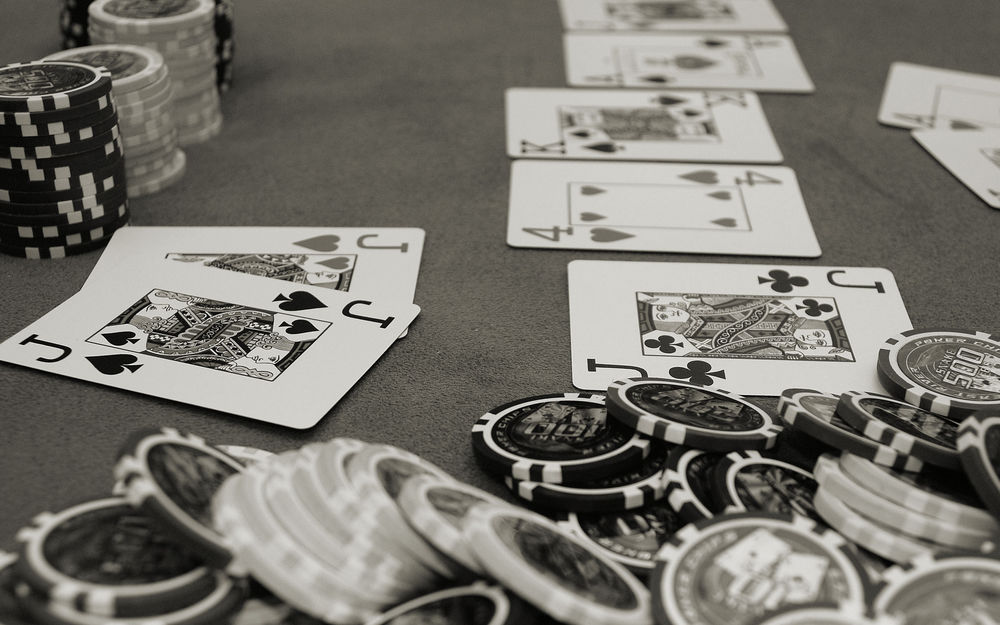
Discover Your Next Gambling Experience with WoolBet
In today’s fast-paced gambling environment, platforms like WoolBet offer a comprehensive guide to navigating the modern gaming landscape. With a focus on providing users with the tools and resources to improve their gambling strategies, WoolBet stands out as a reliable source for both beginners and seasoned players. The platform allows users to explore various games, understand their mechanics, and develop effective strategies that enhance their overall experience.
WoolBet’s commitment to educating players about responsible gambling practices further sets it apart. By promoting awareness and providing resources, the platform aims to create a safe environment for users to engage in gambling. Whether you’re interested in traditional table games or the latest online offerings, WoolBet ensures that players have access to a wealth of information and insights that enhance their gaming experience.
As gambling continues to evolve, staying informed and adapting strategies is crucial. WoolBet empowers users to make informed decisions while enjoying their favorite games, creating a more engaging and responsible gambling culture. Explore the rich history and exciting possibilities of gambling today with WoolBet, where your next gaming adventure awaits!